DTG/POD Guide
This guide organizes the parts of the DTG/POD workflow that are not included in the paid product.
Scope: (1) choosing a POD service / (2) choosing blanks / (6) scaling without chaos.
Purpose
DTG/POD has a large “black box” area. This page separates what you can control vs what you cannot, so you can make decisions faster.
1) Choosing a POD service (comparison axis)
Use this checklist to compare services before committing.
- Coverage: where you can sell / ship
- Reliability: reprint policy / defect handling
- Print consistency: variability between facilities
- UX: file submission / preview / support speed
- Cost structure: base cost / shipping / taxes
- Catalog: available blanks / colors / sizes
- Operations: integrations / automation / order routing
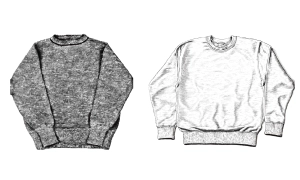
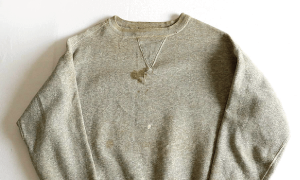
2) Choosing blanks (pass/fail axis)
Define your blank “acceptance criteria” before testing.
- Neck: shape retention / rib quality
- Fabric: thickness, handfeel, opacity
- Construction: side seams / tubular, stitching
- Aging behavior: texture change, pilling, shrink
- Color: heather vs solid, black tone preference
- Fit: size grading and consistency
6) Scaling rules (avoid expansion chaos)
Rules to prevent SKU explosion and maintenance debt.
- Only add SKUs that increase repeatability
- Keep print profiles minimal (e.g., White / Black-underbase)
- Don’t add exceptions unless they are measurable and repeatable
- Track issues by: file cause vs process cause vs vendor cause
- Freeze new variables while troubleshooting